

Rope bondage, known artistically as Shibari, is a deeply intimate and visually stunning practice within the world of BDSM. It's more than just tying someone up; it's a form of communication, trust, and connection that transforms simple ropes into an expression of power, surrender, and art. For beginners, the world of Shibari can seem complex, but with a focus on safety, communication, and foundational skills, it can become an incredibly rewarding part of your exploration into kink.
What is BDSM Rope Bondage (Shibari)?
Originating from the ancient Japanese martial art of Hojōjutsu, Shibari has evolved into a modern practice focused on aesthetic and sensual restraint. The term itself means "to tie decoratively." Unlike Western-style bondage, which often prioritizes quick restraint, Shibari emphasizes the process and the visual appeal of the ties. It involves a deep level of trust and emotional connection between the rigger (the person tying) and the model or "bunny" (the person being tied). This dynamic creates a unique form of intimacy built on consent and shared experience.
Why People Practice Rope Bondage
People are drawn to rope bondage for various reasons, making it a multifaceted practice:
- Aesthetic Appeal: Many are captivated by the beautiful, intricate patterns created on the body. Shibari is often considered a living art form.
- Intimacy and Trust: The level of vulnerability and reliance required builds a profound connection between partners. The rigger must be attuned to their partner's body and emotional state.
- Physical Sensation: The pressure of the ropes can be intensely pleasurable, creating a unique form of sensory play that can range from comforting to intensely stimulating.
- Psychological Dynamics: For many, rope bondage is a powerful exploration of themes like surrender, control, trust, and vulnerability. It allows for a temporary release from daily responsibilities and a deep sense of being cared for.
Safety First: The Golden Rules of Rope Bondage
Before you tie your first knot, understanding the principles of safety is non-negotiable. In the BDSM community, frameworks like SSC (Safe, Sane, and Consensual) and RACK (Risk-Aware Consensual Kink) are foundational. SSC is an excellent starting point for beginners, emphasizing that all activities should minimize risk, be undertaken with a clear mind, and be based on enthusiastic consent.
Key Safety Guidelines:
- Never Compress Nerves: Learn the location of major nerve clusters, especially in the wrists, armpits, neck, and behind the knees. Applying pressure to these areas can cause temporary or even permanent nerve damage. Always tie on fleshy parts of the body and check for numbness or tingling.
- Watch Circulation: Ensure you can always slip two fingers between the rope and the skin. Regularly check the color and temperature of your partner's extremities (fingers and toes). If they become cold or change color, the ropes are too tight.
- Have Safety Shears Ready: Always have a pair of safety shears (blunt-nosed scissors designed for cutting bandages) within arm's reach. Never use a knife, as it can easily injure your partner.
- Establish a Safeword: A safeword is a clear, unambiguous word that means "stop everything now, no questions asked." A traffic light system (Green for "all good," Yellow for "slow down/I'm reaching a limit," and Red for "stop") is also a great communication tool.
- Never Leave a Tied Person Unattended: A person in bondage is in a vulnerable position. Stay with them at all times to monitor their comfort and safety.
- Avoid Suspension Without Expert Training: Suspending a person's body weight with ropes requires advanced knowledge of anatomy, rigging, and knots. Do not attempt suspension until you have received in-person training from an experienced professional.
For more detailed information on BDSM safety principles, you can refer to educational resources like Kinkly's guide to BDSM safety acronyms.
Choosing the Right Rope for Shibari
The type of rope you use significantly impacts the safety and sensation of the experience. For beginners, natural fibers are often recommended.
Types of Rope:
- Jute: The traditional choice for Shibari. It's lightweight, has a slight "bite" that helps knots hold, and becomes softer with use. It requires conditioning (breaking, singing off fuzz, and oiling) before it's ready.
- Hemp: Similar to jute but often softer and stronger. It also requires conditioning and is a popular, high-quality option.
- Cotton: Very soft and gentle on the skin, making it a good choice for beginners. However, it can stretch when bearing weight and knots can become very tight and difficult to undo, so it's not suitable for any form of suspension.
- Nylon and Synthetic Ropes: These are strong and come in vibrant colors. However, they can be slippery, making it harder for knots to hold securely. They can also cause friction burns more easily than natural fibers.
A good starting point is to purchase three lengths of rope, each about 8 meters (or 26 feet) long and 6mm in diameter.
Basic Knots and Ties for Beginners
Mastering a few foundational knots is the key to unlocking countless creative ties. Practice on your own thigh or a chair leg before trying them on a partner.
1. The Single Column Tie
This is the most fundamental tie in Shibari, used to bind a single limb like a wrist or ankle. It's designed to be secure without tightening under pressure, which is crucial for safety.
2. The Double Column Tie
Once you've mastered the single column, the double column tie is the logical next step. It's used to tie two limbs together, such as wrists or ankles. This simple tie is the basis for many more complex restraints, like the classic hands-behind-the-back position.
3. The Basic Chest Harness (Shinju)
The Shinju, or "Lover's Heart," is a classic beginner's chest harness. It's primarily decorative and provides anchor points for other ties. It beautifully frames the chest and is an excellent way to practice tension and rope placement on the torso while avoiding sensitive areas like the neck and armpits.
Enhancing the Experience: Combining Bondage with Other Sensations
Rope bondage is rarely a standalone activity. The state of heightened awareness and vulnerability it creates is the perfect canvas for exploring other forms of pleasure. Combining restraint with targeted stimulation can lead to explosive new heights of ecstasy.
Introduce Nipple & Clitoral Play
Once your partner is comfortably restrained, their nerve endings become highly sensitized. The slightest touch can feel electric. This is the perfect moment to introduce focused stimulation. A versatile clit suction toy or a discreet nipple vibrator can turn a simple bondage session into an unforgettable experience.
For those who love multitasking pleasure, a toy designed for both clitoral and nipple play is an excellent choice. The ability to switch between teasing the nipples and stimulating the clitoris keeps the sensations unpredictable and exciting.

The Doris toy is a masterpiece of discreet design, looking just like a pair of wireless earphones. Its compact and travel-friendly nature means you can take your pleasure anywhere. With 3 interchangeable heads, it offers versatile stimulation perfect for both nipple teasing and clitoral play. The convenient, rechargeable charging case ensures it's always ready for your next scene, blending seamlessly into your lifestyle.
Focus on Powerful, Overwhelming Pleasure
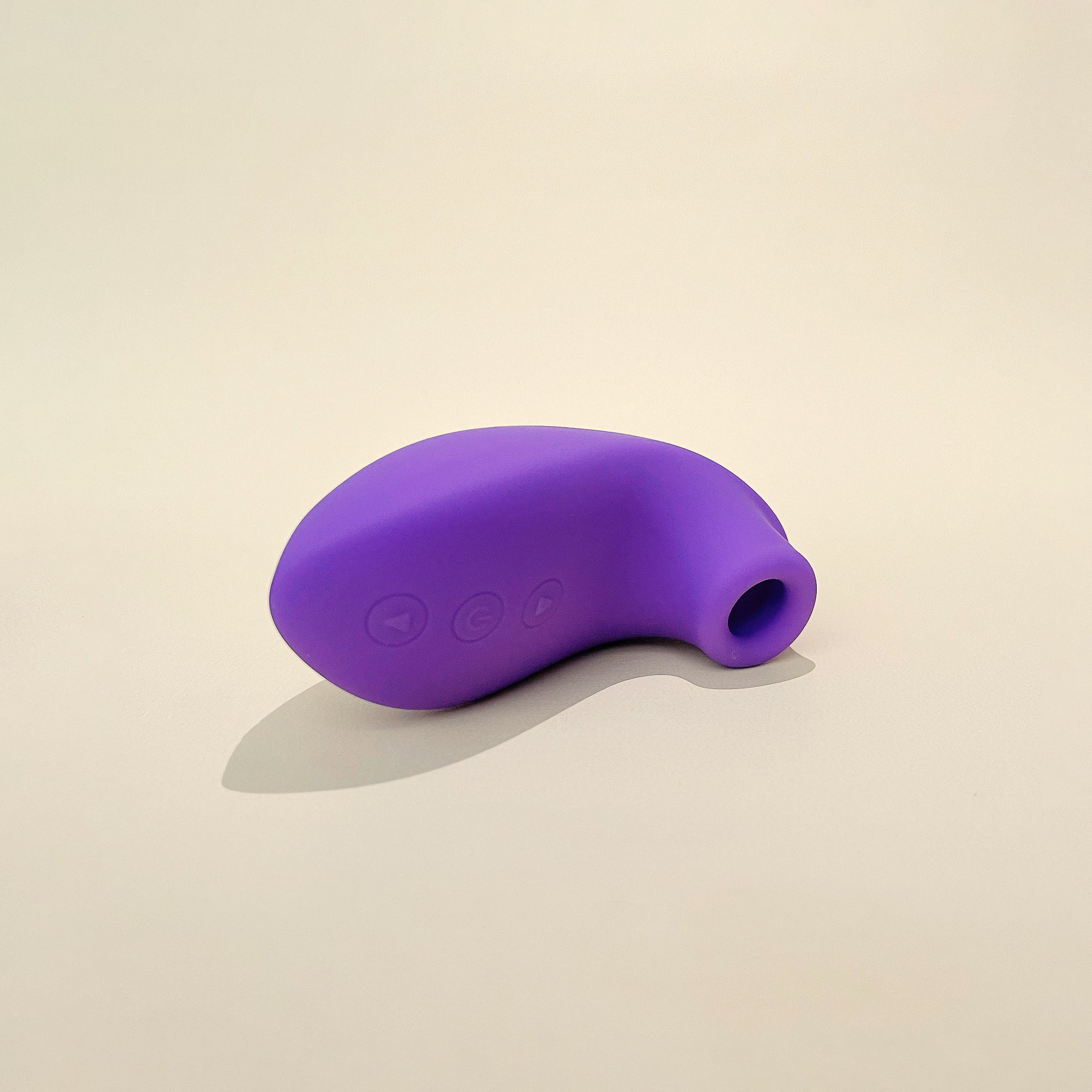
For some, the goal of a bondage scene is to build to an overwhelming climax. The feeling of being completely helpless while being brought to the edge of ecstasy is a powerful psychological thrill. A high-quality clit sucker is an incredible tool for this.

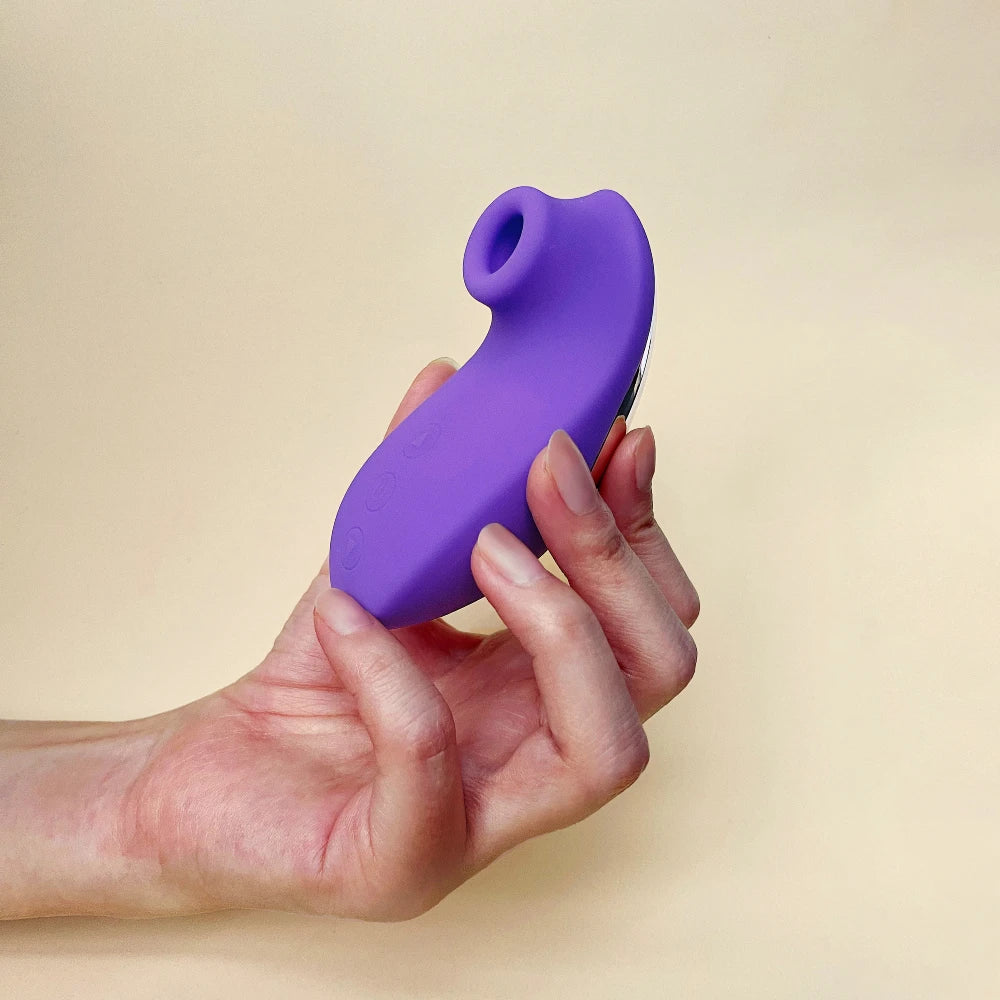
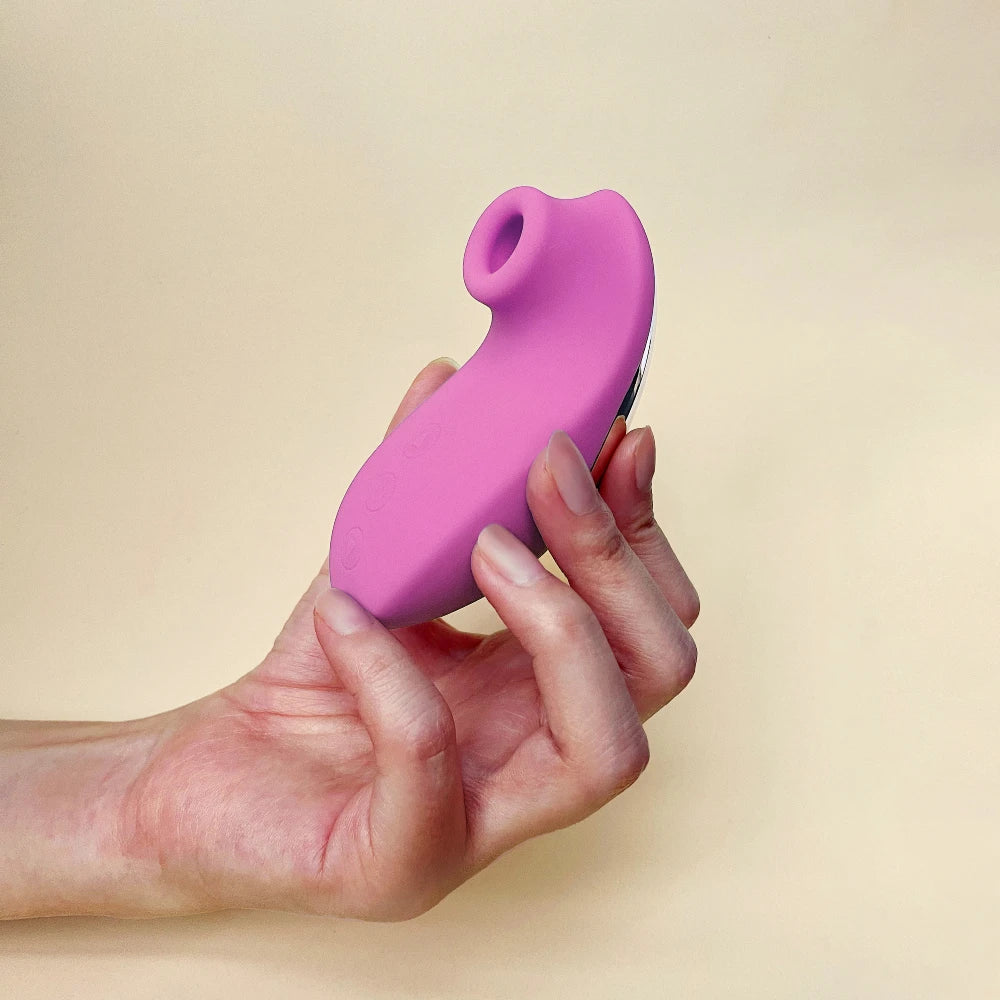
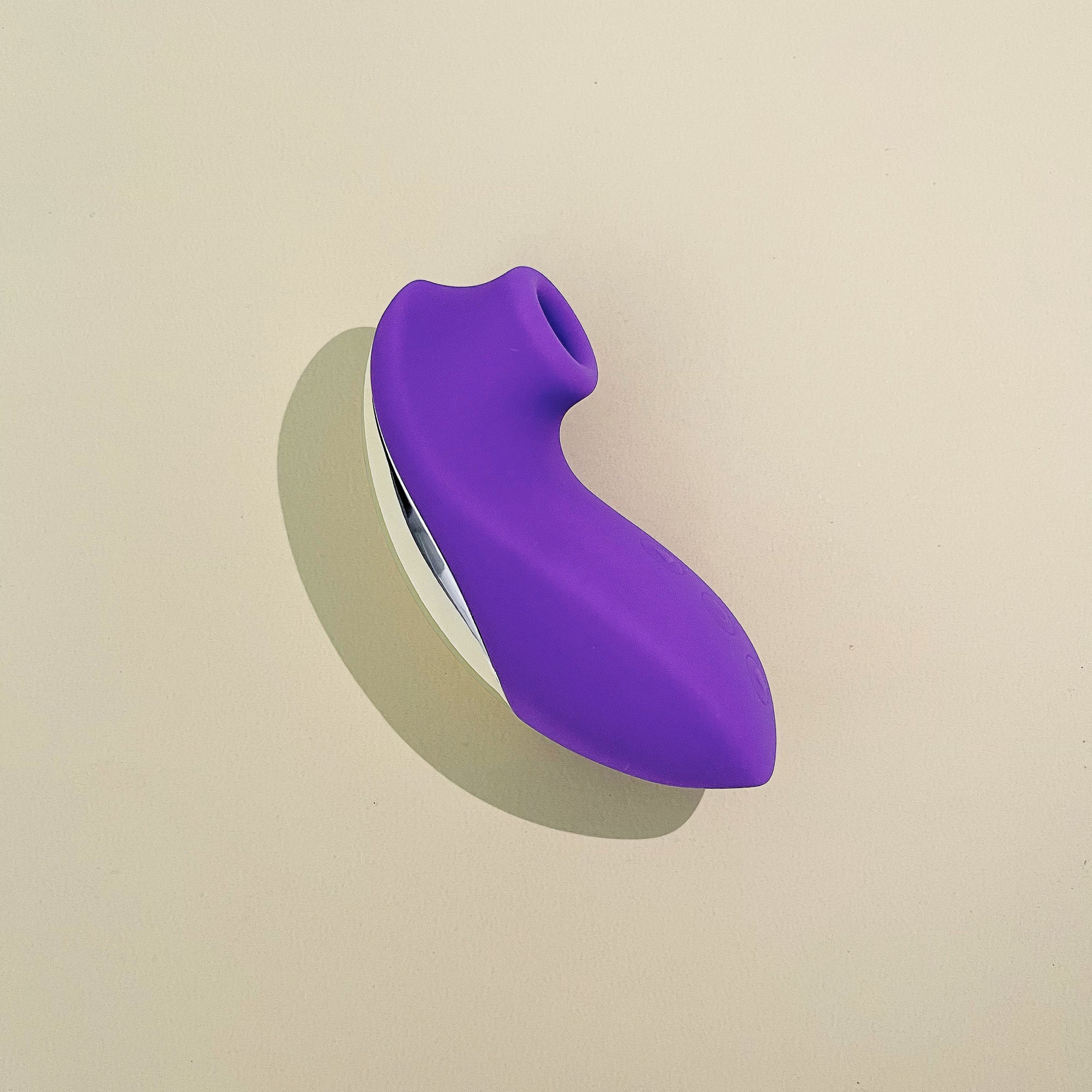
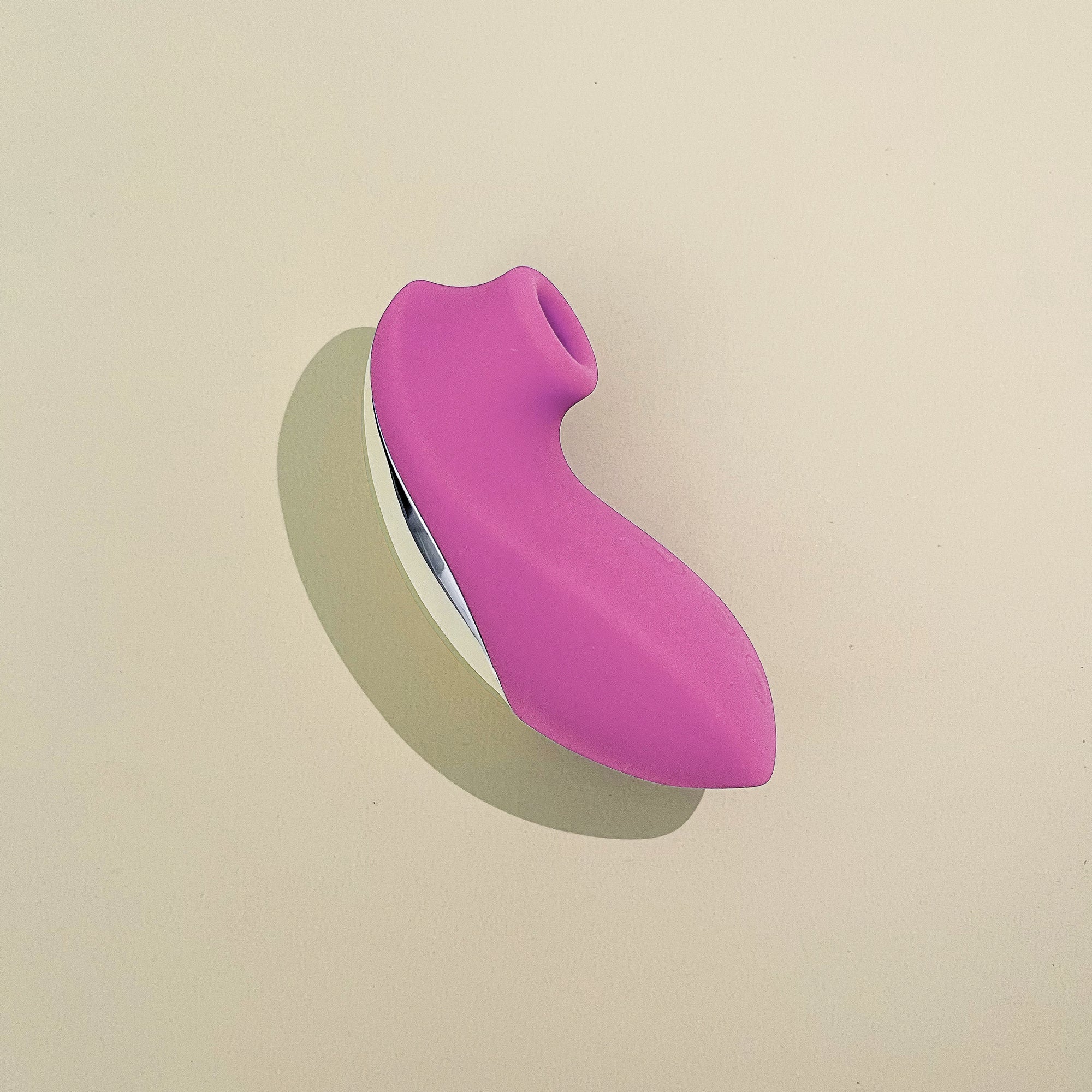
The Desire Vibe is engineered for intense pleasure. Its streamlined, ergonomic design fits perfectly in your hand for effortless control, allowing you to focus completely on your partner. The powerful suction provides deep, satisfying stimulation that can lead to a quick release orgasm in as little as 3 minutes. Trusted by thousands, with over 1,300 glowing reviews, this clit stimulator is designed to deliver profound pleasure precisely when and where you want it.
Ensure Comfort for Further Play
If your rope session is a prelude to intercourse, ensuring everything is comfortable and smooth is vital. A high-quality lubricant is an essential part of any BDSM toolkit.

Using the right lube protects both you and your toys. The BOMBEX Natural Water Based Lube is the perfect choice. Its formula is perfectly pH-balanced to protect intimate health and prevent irritation. As the best lube for sex toys, its universal toy compatibility means you can use it with confidence on any material, from silicone to glass. The 100% plant-based formula is pure and gentle, while its advanced composition provides long-lasting, non-sticky hydration that mimics natural moisture.
Aftercare: The Crucial Final Step
What happens after the ropes come off is just as important as the scene itself. Aftercare is the process of reconnecting with your partner and helping them transition back from the intense headspace of the scene. This can involve:
- Physical Comfort: Gently massaging any rope marks, providing a warm blanket, and offering water or a snack.
- Emotional Reassurance: Cuddling, talking, and reaffirming the trust and care between you. Ask your partner what they need, as preferences can vary widely. Some may want to talk about the experience, while others may prefer quiet closeness.
- Checking In: Aftercare isn't just for immediately after a scene. Check in with your partner the next day to see how they are feeling both physically and emotionally.
Shibari is a journey, not a destination. It's an art form that requires patience, practice, and a deep respect for your partner. Start slow, prioritize safety above all else, and communicate openly. By building a strong foundation of trust and technical skill, you can unlock a world of profound connection and aesthetic beauty.