

The story is almost legendary in pop culture: Victorian doctors, their wrists aching from the tedious task of manually massaging their female patients to orgasm, invented the electric vibrator to more efficiently treat the widespread diagnosis of "female hysteria." It’s a compelling tale, blending medical history, sexual repression, and technological innovation. But how much of it is actually true? The history of the vibrator is far more complex and fascinating than this popular myth suggests. It's a journey that takes us from a dubious medical diagnosis to a celebrated tool of sexual wellness and empowerment, separating historical fact from popular fiction along the way.
What Exactly Was "Female Hysteria"?
To understand the myth, we first have to understand the so-called disease. For centuries, "female hysteria" was a common medical diagnosis for women. The term itself comes from the Greek word for uterus, hystera. Ancient Greek and Egyptian physicians believed that the womb was an independent entity that could wander throughout a woman's body, causing a vast array of ailments.
This "wandering womb" theory persisted for millennia, and "hysteria" became a catch-all diagnosis for almost any symptom a woman exhibited that male doctors found confusing or inconvenient. According to historical medical texts, symptoms could include everything from anxiety, irritability, and fainting to insomnia, fluid retention, and a "tendency to cause trouble." Any expression of emotion, intellectual ambition, or sexual desire could be pathologized and labeled as a symptom of hysteria. It wasn't until 1980 that the American Psychiatric Association officially removed "hysterical neurosis" from its manual of mental disorders.
The Popular Myth: A Doctor's Cure for Hysteria
The most enduring story about the vibrator’s origin was popularized by historian Rachel Maines in her 1999 book, The Technology of Orgasm. The narrative claims that a primary treatment for female hysteria was "pelvic massage," where a doctor would manually stimulate a patient's genitals until she achieved a "hysterical paroxysm," or what we now know as an orgasm. According to this theory, the treatment was clinical, not sexual, and was so common and time-consuming that physicians developed a mechanical, electric device to save their hands the labor.
This story was explosive, inspiring films, plays, and countless articles. It presented a tidy narrative of Victorian repression and the inadvertent medical discovery of female pleasure. The problem? Recent and more thorough historical research suggests this compelling story is largely a myth.
The Fact: The Vibrator's True Origins as a Cure-All Device
The historical record shows a different story. The first electromechanical vibrator was patented in the 1880s by a British physician, Dr. Joseph Mortimer Granville. He called his device the "Percuteur" (or "Granville's Hammer"). However, Granville did not invent it for treating hysteria. His own medical texts show it was designed to treat muscle aches, nerve pain, constipation, and other ailments through what was known as "vibratory therapy."
In fact, Granville explicitly wrote that he never used his device on a female patient for hysteria and argued it shouldn't be used for that purpose. There is virtually no evidence in historical medical records of doctors using vibrators to bring female patients to orgasm as a treatment. Instead, the vibrator was initially marketed as a general-purpose health device for the whole family. In the early 20th century, before their association with sexual pleasure became widespread, vibrators were sold in magazines like Good Housekeeping. They were advertised alongside other revolutionary home appliances like the sewing machine, fan, and vacuum cleaner as a tool for soothing headaches, relieving back pain, and improving circulation.
From Overt Appliance to Covert Companion
The early marketing of vibrators as common household tools highlights a key aspect of their evolution: their appearance. They were often bulky, loud, and utilitarian. As the 20th century progressed and the device’s "off-label" use for pleasure became an open secret, designs began to change. The journey towards creating a more personal, discreet, and effective tool for pleasure had begun. Today, that evolution has reached a peak with designs that prioritize both power and privacy.
Modern innovators have taken the concept of discretion to a whole new level. The focus is now on creating products that are not only effective but can also exist unnoticed in a makeup bag or on a nightstand. This shift acknowledges that pleasure is a personal and integral part of wellness, deserving of tools that are both beautiful and subtle.

Bombex Beauty Blender Vibrator
Disguised as a beauty sponge, this vibrator is quiet, discreet, and powerful.
Shop The Mini Vibrator Now →A perfect example of this is the Bombex Beauty Blender Vibrator. Its primary selling point is its brilliant camouflage. Shaped exactly like a makeup sponge, this discreet vibrator can hide in plain sight. It’s a stylish and clever design that speaks to the modern need for privacy without sacrificing performance. Made from soft, body-safe silicone, its unique triple-wave texture is designed for a closer fit and more powerful sensations. With 10 vibration modes and a travel-friendly size, it's the perfect companion for pleasure on the go, representing the pinnacle of the silent vibrator's evolution from a clunky machine to a covert wellness tool.
Relegation and Reclamation: The Vibrator in the 20th Century
By the 1920s, the vibrator’s association with pleasure became more explicit, particularly when the devices started appearing in early pornographic films. This led to a swift backlash. Mainstream companies stopped advertising them, and the vibrator went from being a celebrated household health appliance to a taboo item sold under the counter in plain brown wrappers.
This "silent" period lasted for decades. It wasn't until the sexual revolution of the 1960s and 1970s that the vibrator was reclaimed. Second-wave feminists and sex-positive advocates, such as Betty Dodson, championed the vibrator as a tool for female empowerment. Dodson famously hosted workshops where she taught women about their own anatomy and encouraged them to use vibrators to explore their bodies and take ownership of their pleasure. The vibrator was transformed from a source of shame into a symbol of sexual liberation and self-discovery.
Pleasure as a Statement
This reclamation changed not only how we talk about vibrators but also how they look. No longer forced to hide, designers began creating toys that were bold, beautiful, and unapologetic. The modern vibrator is often a piece of art—something to be displayed, not hidden away. This shift reflects a broader cultural understanding that sexual wellness is nothing to be ashamed of and that the tools for pleasure can be as elegant as any other accessory.

Bullet Vibrator Necklace – Lumea
Bullet-shaped metal vibrator, 30 decibels, super strong metal conduction ability, travel-friendly.
Shop The Necklace Vibrator Now →The Bullet Vibrator Necklace – Lumea embodies this spirit of empowerment. It’s more than a pleasure piece; it’s a chic fashion statement. Elegantly disguised as a sophisticated necklace, this powerful mini vibrator is a secret you can wear anywhere. Crafted from 316 medical-grade stainless steel, it delivers deeper, more resonant vibrations than conventional materials. At a whisper-quiet 30dB, it’s incredibly discreet, yet its 9 unique vibration patterns offer a full symphony of pleasure. The Lumea is the ultimate icebreaker—a beautiful piece of jewelry that holds a powerful secret, celebrating pleasure as a vital and stylish part of life.
The Modern Era: Where Technology Meets Pleasure
Today, the vibrator is firmly established as a mainstream wellness product. The industry has exploded with innovation, moving far beyond simple vibrations. Modern sex toys incorporate cutting-edge technology to deliver sensations that were once unimaginable.
Engineers and designers now focus on a deep understanding of human anatomy and sexual response. This has led to the development of new stimulation methods and materials, including:
- Sonic Pulse Technology: Instead of standard vibrations, these devices use sonic waves to generate deep, resonant pulses that stimulate far beyond the surface.
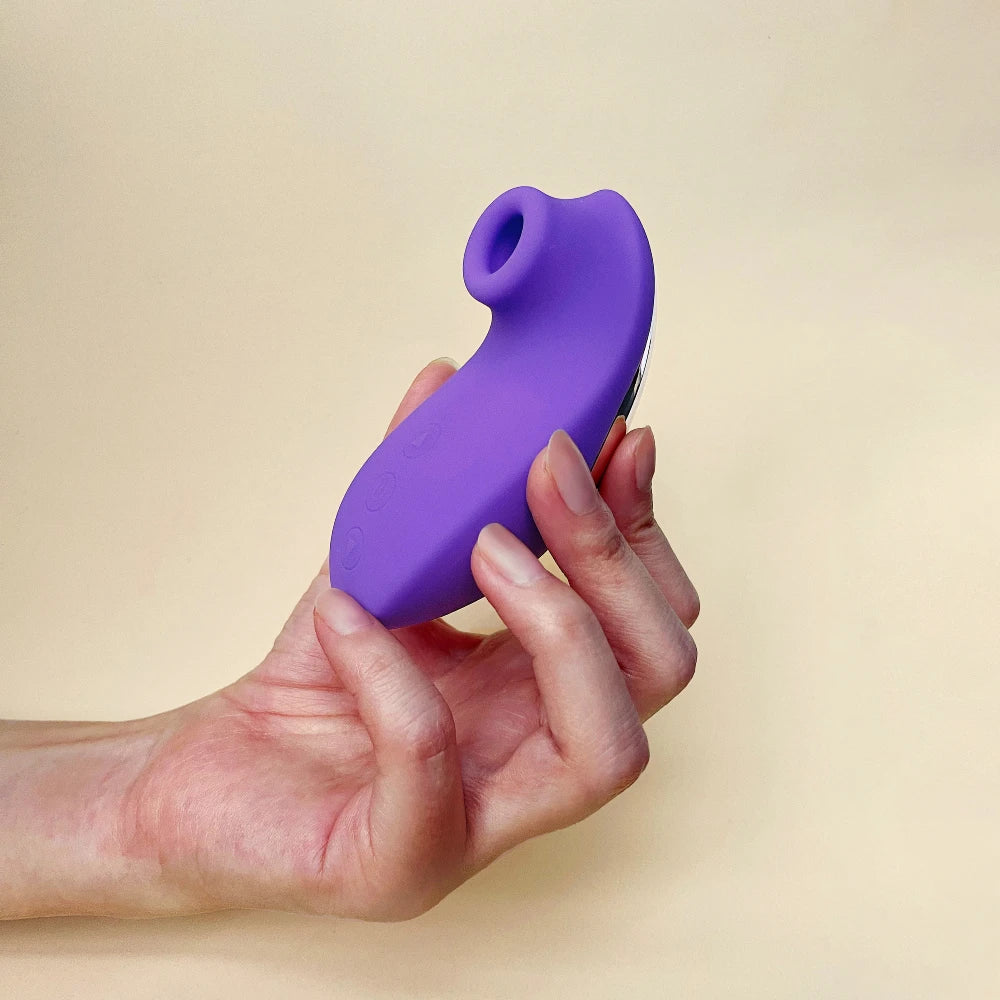
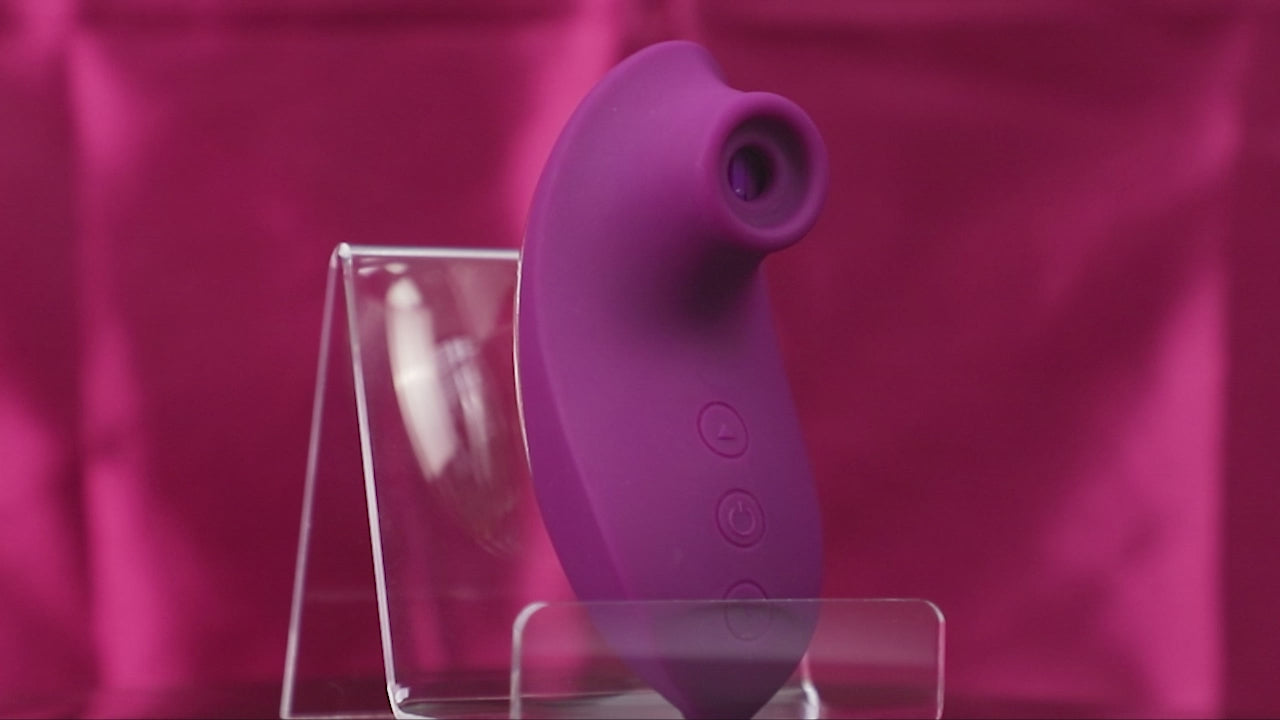
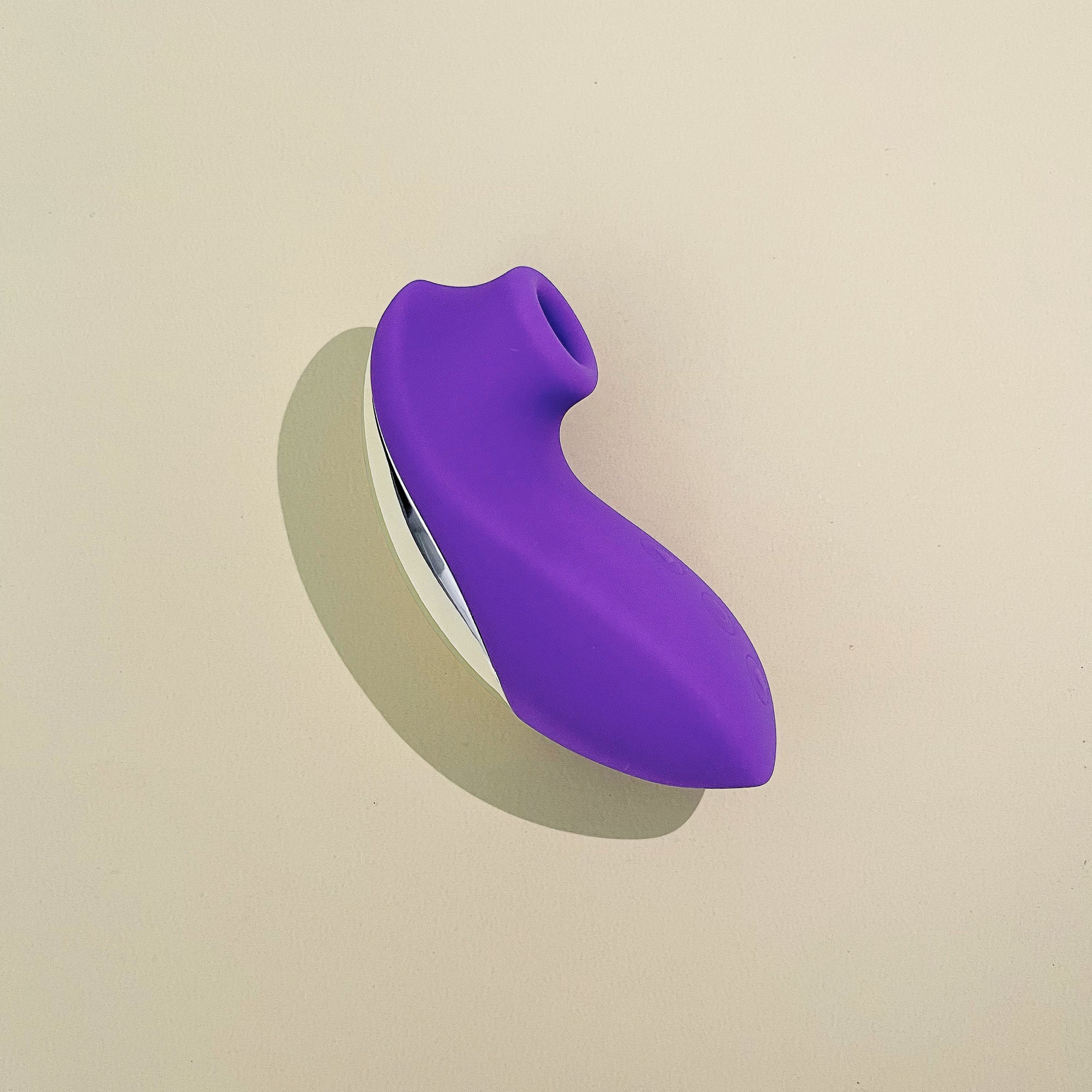
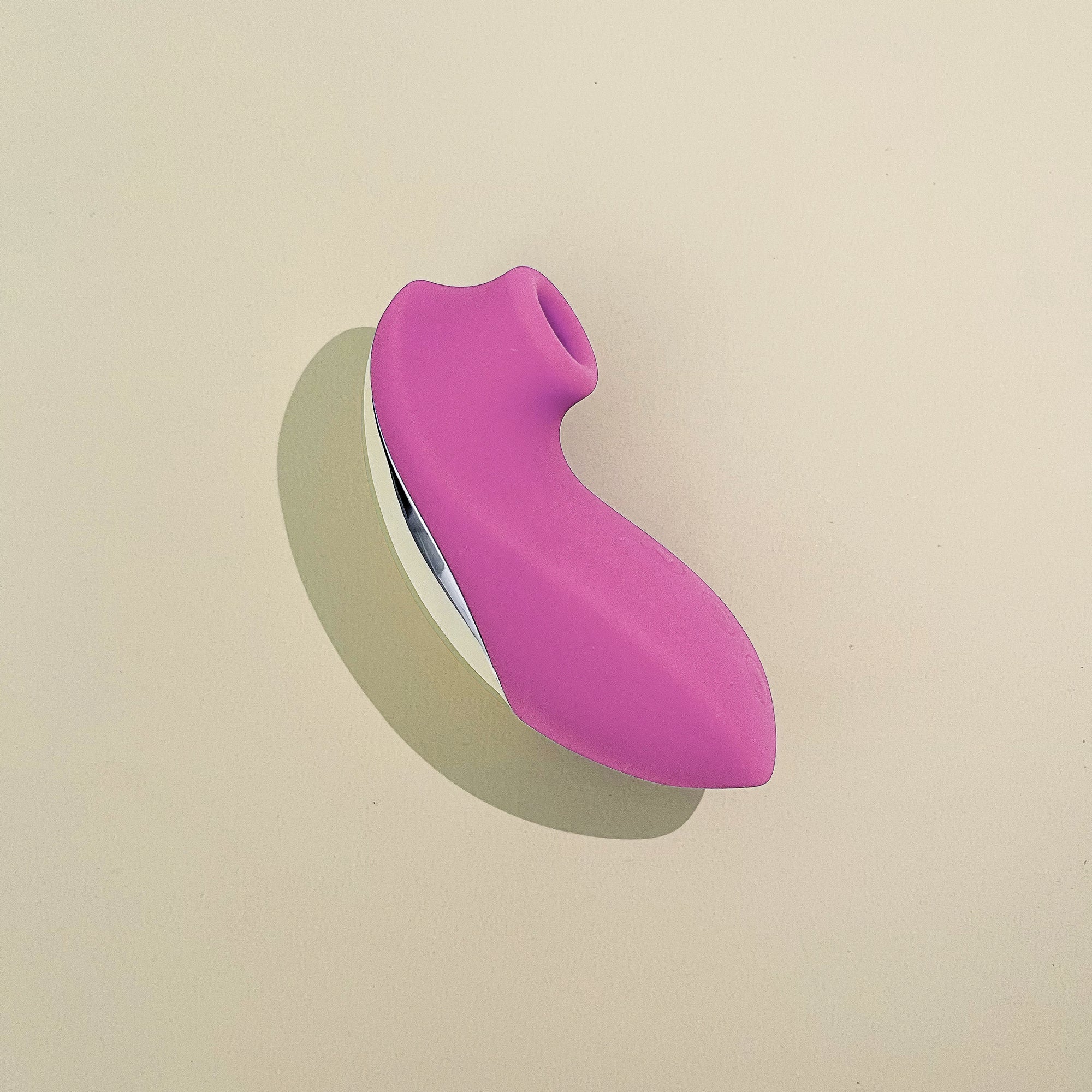
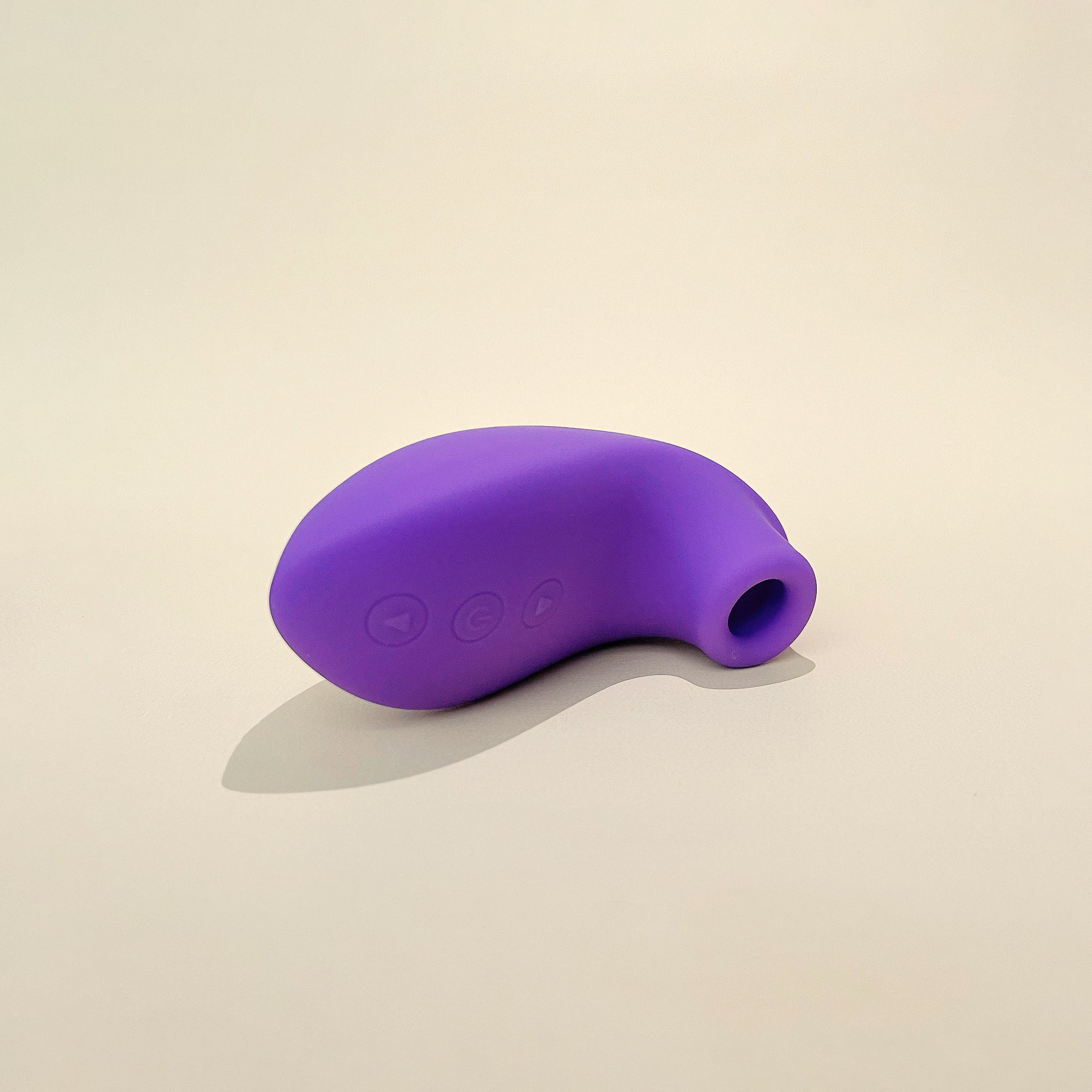
- Air-Pulse/Suction: Many modern toys, often called a clit sucking vibrator, use gentle suction and air pulses to stimulate the clitoris without direct contact, creating a unique and intense sensation.
- Dual Motors: Why have one motor when you can have two? Many devices now offer simultaneous internal and external stimulation for blended, powerful orgasms.
- Body-Safe Materials: Gone are the days of questionable plastics. Medical-grade silicone is now the industry standard, prized for being non-porous, phthalate-free, easy to clean, and luxuriously soft to the touch. For more information on the importance of body-safe materials, Healthline provides a comprehensive guide.

The Cupid Clitoral Massager is a testament to this technological revolution. With its elegant design resembling a chic perfume bottle, it combines style with advanced functionality. It utilizes innovative Sonic Pulse Technology to deliver deeper, more refined sensations that go beyond simple vibration. The dual-motor power works to intensify pleasure, while the body-safe silicone ensures a soft, safe, and skin-friendly experience. With 10 pleasure modes to explore, the Cupid is a sophisticated clitoral massager that represents the future of pleasure technology.
Conclusion: From Myth to Modern Wellness
While the story of the vibrator being invented to treat female hysteria is a captivating myth, the true history of the vibrator is a powerful reflection of our evolving understanding of female health, sexuality, and pleasure. It journeyed from a misunderstood medical device to a household appliance, became a taboo secret, and was ultimately reclaimed as a symbol of sexual empowerment.
The "hysteria" myth, though inaccurate, serves as a crucial reminder of a time when female sexuality was deeply misunderstood and pathologized. Today, we have thankfully moved beyond such archaic diagnoses. The modern vibrator, in all its diverse and technologically advanced forms, stands as a testament to this progress—a tool not for treating a fabricated illness, but for celebrating and exploring the vital, healthy, and joyful experience of pleasure.